
Researchers used a combination of wearable data and a mobile app to anticipate attacks up to a week in advance
Researchers at the National Taiwan University have published a series of studies showing that physiological data from Garmin trackers can be used to predict panic attacks with 92% accuracy.
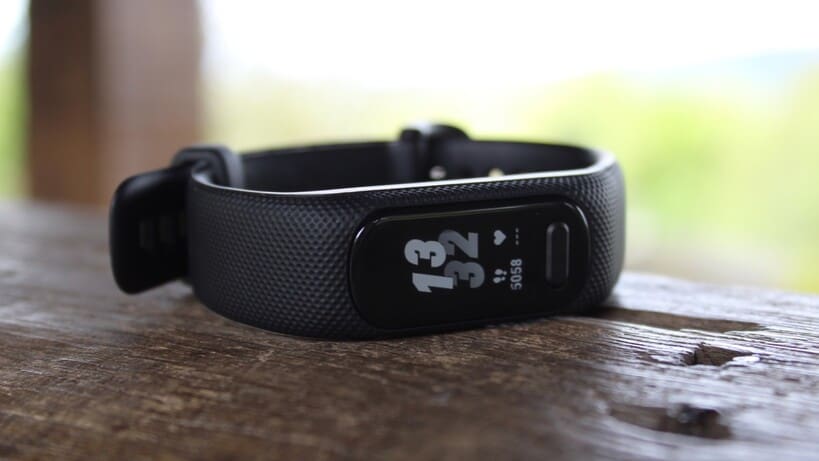
The studies, which took place over several years, harnessed biometric insights from the entry-level, often-forgotten Garmin Vivosmart series to passively collect 24/7 data on metrics like heart rate, sleep, and activity levels. This was combined with self-reported information on emotional state and environmental data from a mobile app.
Then, by feeding this combined dataset into a machine learning model, the researchers were able to predict the likelihood of a participant having a panic attack in the following week with surprisingly high accuracy.
Crucially, too, the research went beyond just prediction. By analyzing the data, the team was able to pin down ‘ideal’ physiological ranges associated with a lower risk of panic attacks.
These included specific targets for resting heart rate (55-60 bpm), total sleep duration (between 6.5 and 11 hours), and deep sleep (at least 50 minutes in the sleep stage). This enabled clinicians to offer patients personalized, data-driven lifestyle adjustments to help manage their condition proactively.
The Wareable take
I’m always cautious about highlighting research involving wearables. As I pointed out in a recent PULSE by Wareable op-ed, research involving data from wearables is plagued by studies that yield narrow findings gleaned from decade-old devices.
Even if devices are modern or relevant, another common issue is that studies can inevitably be biased in favor of a single brand.
Whether a particular brand funds the research, sponsors or gifts devices to researchers, or truly independent researchers face the challenge of presenting data from multiple brands, it becomes difficult to separate findings from potential conflicts of interest. However, in this example, I should note that the authors declared no conflicts of interest.
Those caveats aside, the subject matter here is fascinating—and represents a significant step forward in understanding the role wearables can play in predictive mental health.
In recent years, numerous studies have sought to downplay the role that wearables can play in enhancing our physical and mental health. In that sense, it’s encouraging to see one that provides a glimpse into how device makers could unlock the potential of data already being tracked.
Particularly as AI analysis evolves, studies like this could pave the way for a future where we start to see truly proactive insights into preventative health.