
The LLM moves beyond general-purpose chatbot answers to provide science-backed guidance on 50+ biometric signals
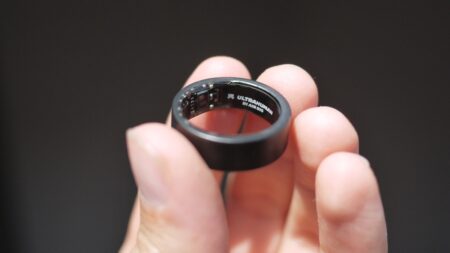
Smart ring giant Oura is taking a stand against the nature of general-purpose AI with the launch of its first proprietary Large Language Model (LLM) designed specifically for women’s health.
Now rolling out for testing in Oura Labs, the new model is built to power the existing Oura Advisor experience, shifting it from a standard AI assistant into a more specialized clinical companion.
Unlike platforms like ChatGPT or Gemini, which pull from the broad web, Oura’s model is grounded in medical standards and research reviewed by an in-house team of board-certified clinicians and OB-GYNs.
It’s a move the brands say prioritizes accuracy over speed in a category where health guidance is often deeply personal and high-stakes.
Personalized and empathetic
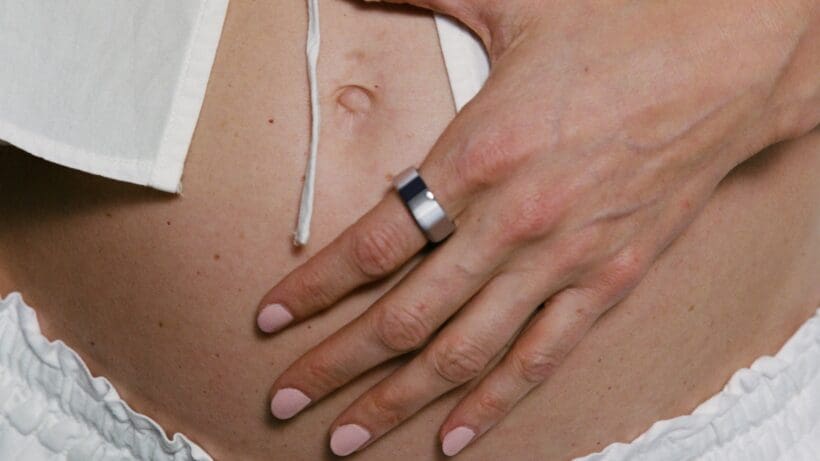
The model is designed to interpret a woman’s ‘lived health data’—including 50+ biometric markers like temperature trends, HRV, and sleep consistency—through the lens of female physiology.
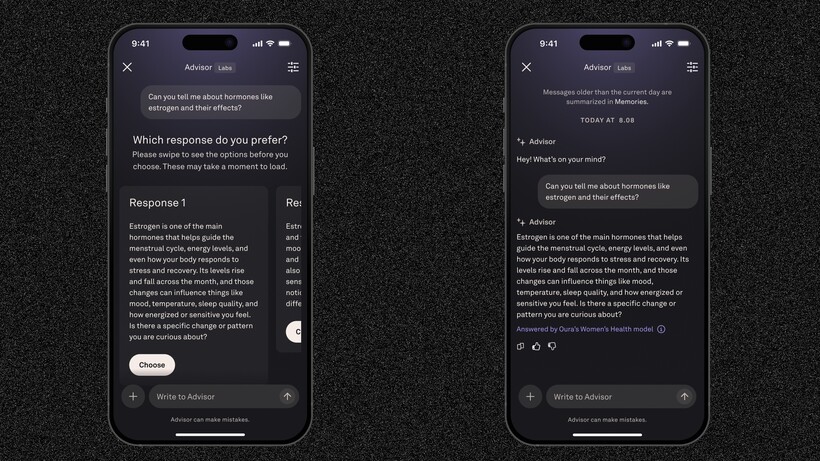
For example, if a member asks about cycle irregularities, the Advisor doesn’t just provide a generic list of symptoms; it analyzes the user’s specific longitudinal data to explain what is typical for their body and what might warrant a conversation with a doctor.
Oura also emphasizes the non-dismissive, empathetic tone of the new model, aiming to bridge the gap between the raw numbers on a screen and the actual experience of navigating reproductive health or menopause.
By testing the model in Oura Labs first, the company is inviting members to help refine the system through real-world feedback before it becomes a core part of the app.
At a time when women are increasingly turning to AI for health symptom checking, Oura continues to set the standard for digital health AI by pairing the power of LLMs with the safety of clinical oversight.