
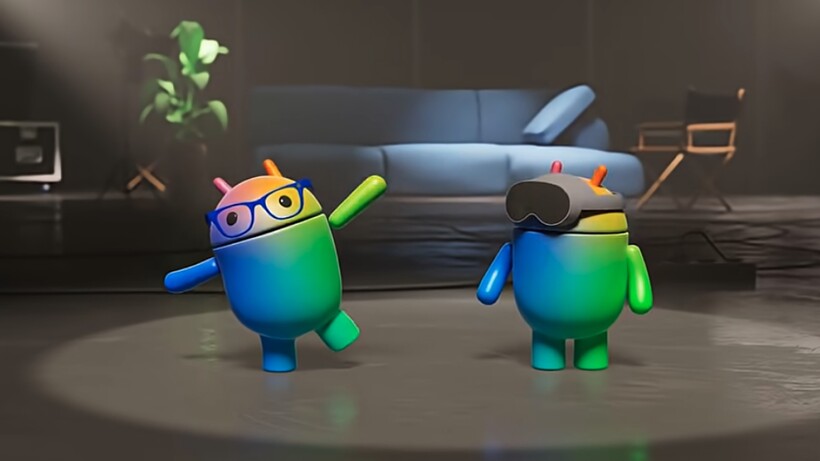
The Xreal partnership will deliver tethered AR glasses, while separate Gemini-powered eyewear will compete with Meta Ray-Bans
Google has shed more light on its return to smart glasses, confirming that eyewear from its partnerships with Warby Parker and Gentle Monster will arrive in 2026, while also showcasing its wired augmented reality glasses developed with Xreal.
The more advanced device, codenamed Project Aura, offers a goggle-sized AR experience shrunken down to a portable glasses form factor. Launch details, Google says, will arrive in 2026.
From what we know so far via Google’s blog post, Aura is another high-end AR glasses offering in the Android XR ecosystem, running the same full applications as the flagship Samsung Galaxy XR headset.
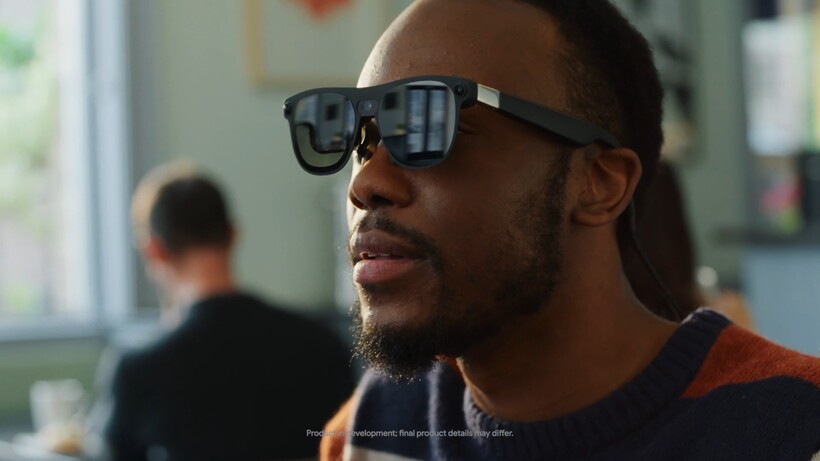
Unlike the simpler smart glasses coming from fashion partners, Aura is tethered to a phone-sized processor puck (which contains the same Qualcomm XR Gen 2 Plus chip found in the Galaxy XR headset).
The glasses also feature a 70-degree field of view, three cameras for full-room and hand tracking, and a large, high-resolution micro-OLED display. Demos of the device show it wirelessly streaming a Windows PC desktop alongside native Android XR apps and games, all controllable through hand gestures and Gemini prompts.
Competing with Meta on all fronts
Alongside the Xreal partnership, Google also detailed its side of the partnership Samsung first teased with Warby Parker and Gentle Monster in October to create stylish, all-day glasses.
Google explains that Android XR will support two distinct categories of this less advanced smart consumer eyewear.
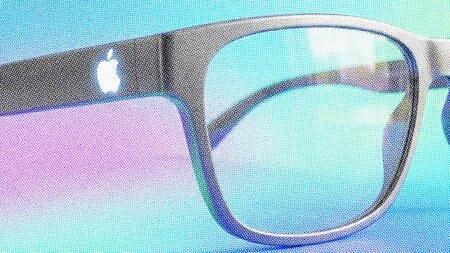
The first are AI glasses that harness built-in cameras, microphones, and speakers to let users chat naturally with Gemini, take photos, and get contextual help about their surroundings without any visual interface. Essentially, Google’s take on the OG Meta Ray-Ban smart glasses.
The second category is display AI glasses, which add a transparent in-lens display. These will display turn-by-turn navigation, live translation captions, and other helpful information directly in the user’s line of sight.
Crucially, Google confirmed the display glasses will work with head gestures and, for the first time, will integrate with Wear OS watches, allowing users to view photos taken by the glasses or receive Gemini visual responses on their wrist.
With plenty of details still scarce, however, stay tuned for more updates from Google (and Samsung) in the first half of 2026. It’s shaping up to be a huge year.