
The 'Project Moohan' device is the first to run the new Android XR platform with Gemini AI built-in
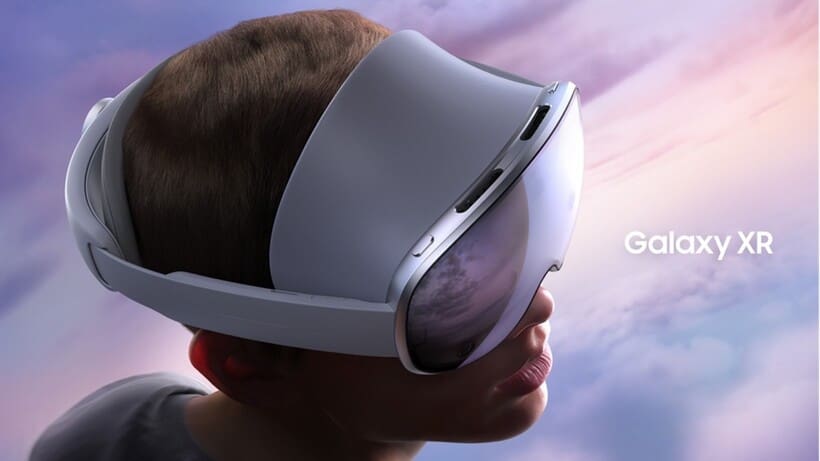
Samsung has officially unveiled the Galaxy XR, its long-anticipated high-end mixed reality headset, developed in close partnership with Google and Qualcomm.
First teased as ‘Project Moohan’ earlier this year, the $1,799 device marks Samsung’s re-entry into the XR space and is the debut hardware for the brand-new Android XR operating system. It’s available starting today in the US and Korea.
The Galaxy XR headset follows a similar design philosophy to Apple’s Vision Pro, featuring high-resolution passthrough cameras to blend virtual content with the real world. However, Samsung emphasizes a lighter, more comfortable design. It weighs 545g (excluding the separate 302g battery pack), achieved through a plastic build and an ergonomically balanced frame.
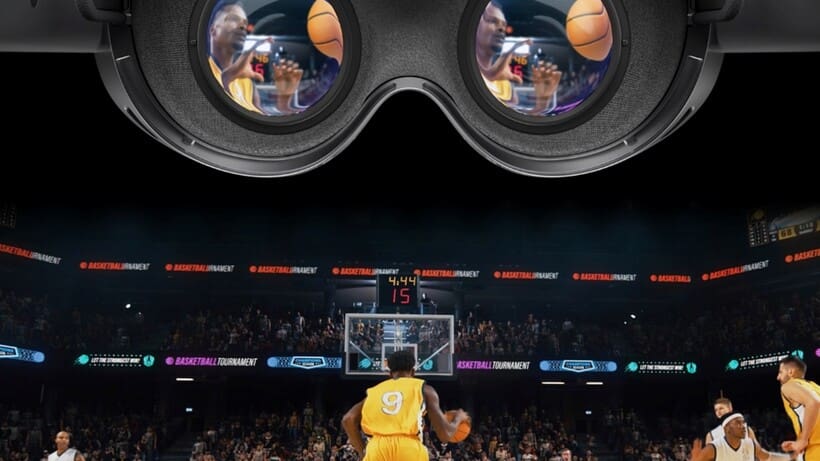
Inside, it boasts impressive specs: dual 4K Micro-OLED displays (3,552 x 3,840 per eye), a wide field of view (109-degree horizontal), and the powerful Snapdragon XR2+ Gen 2 platform with 16GB of RAM. Samsung quotes battery life of up to 2.5 hours for video watching.
Betting on Gemini
The core of the experience is Android XR, co-developed with Google and Qualcomm. It’s pitched as the first Android platform “built entirely for the Gemini era,” with Google’s AI assistant deeply integrated at the system level.
As Apple positioned the Vision Pro as the core device of its ‘ambient computing’ platform, Samsung frames the Galaxy XR as an “AI companion” capable of understanding your surroundings and interacting naturally via voice, vision, and gestures.
Familiar Android apps from the Play Store will work out-of-the-box, alongside XR-optimized versions of Google apps like Maps, YouTube, and Photos, plus over 50 new XR experiences from partners like Adobe and Calm.
Features highlighted include immersive 3D map exploration with Gemini providing contextual information, converting 2D photos/videos to 3D, high-resolution video streaming on a virtual giant screen, and Circle to Search activated by hand gestures in passthrough mode.
With its open Android XR platform, high-end specs, and deep AI integration, the Galaxy XR represents a major new competitor in the premium XR market, directly challenging Apple’s spatial computing vision.