
Choosing between these two Oura alternatives? Here's what we recommend after extensive testing
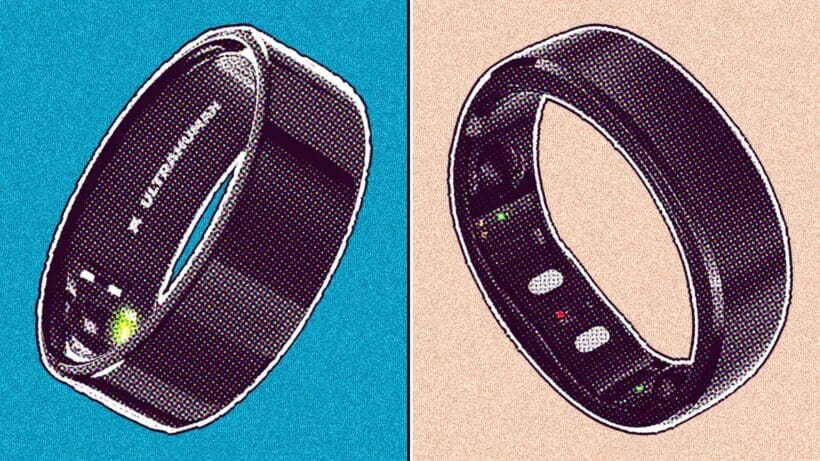
The RingConn Gen 2 and Ultrahuman Ring Air are two superb alternatives to the smart ring industry’s heavyweights, Oura and Samsung.
Like those other top options, the principal focus is on health and wellness. Yet key distinguishing features set these challenger options apart.
In late 2025, the biggest factor now separating them is availability in the US, following further resolution of Oura’s patent disputes. In short, Ultrahuman’s Ring Air is currently unavailable stateside due to an ongoing import ban, while RingConn and Oura have settled, with the former paying royalties to the latter.
Technicalities aside, RingConn has blown the competition away with its slimline, long-lasting Gen 2 design. Meanwhile, the Ultrahuman Ring Air is backed by a free-flowing and intuitive app that powers a few neat, exclusive features. Below, we’ll cover all the key differences in depth.
Price comparison and versions
The Ultrahuman Ring Air costs $349/£329, and there are no subscription fees or phone ecosystem requirements—a big tick in its favor. At the time of writing, we expect this price to hold until the release of Ultrahuman’s rumored next-generation ring, potentially in 2026.
The Indian brand also offers a few more finishes than RingConn: glossy versions of black, silver, and gold, as well as matte alternatives in titanium and grey.
RingConn’s Gen 2 is slightly cheaper: $299/£299 for all finishes and sizes (matte black, and glossy silver or gold). Like Ultrahuman, there’s no monthly subscription fee – and it works with iOS or Android.
However, the 2025 release of the RingConn Gen 2 Air, which starts at just $199, gives users an even cheaper, subscription-free entry point to the RingConn ecosystem.
Design and comfort
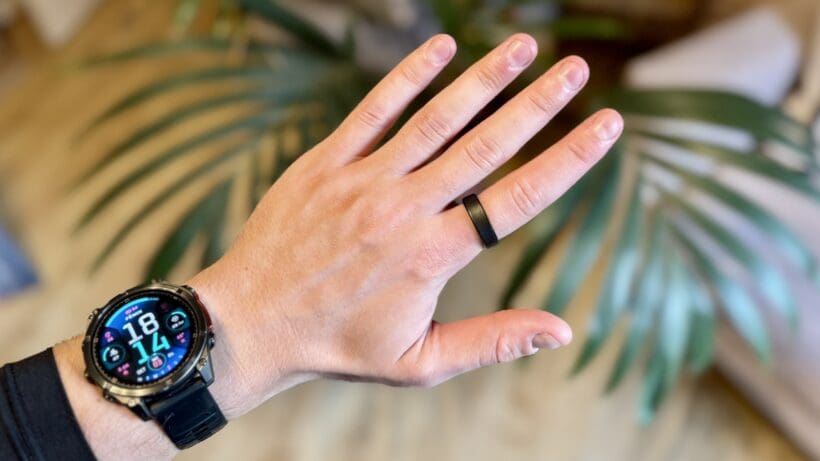
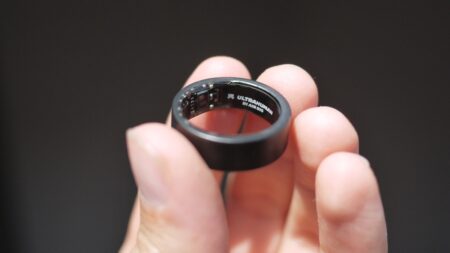
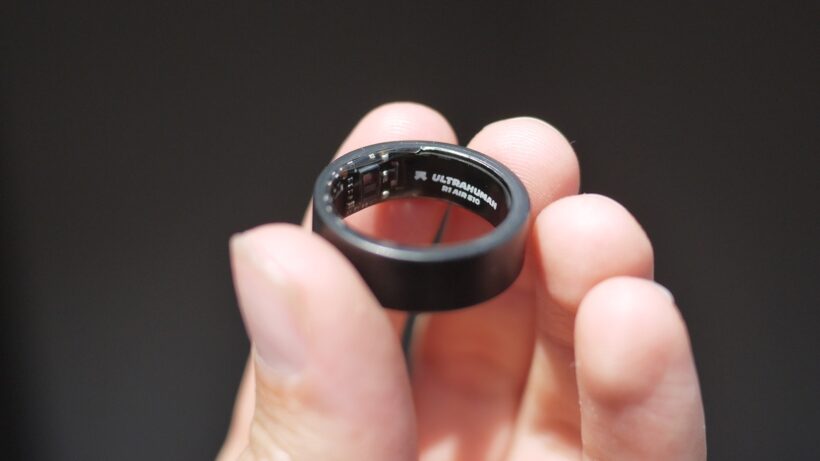
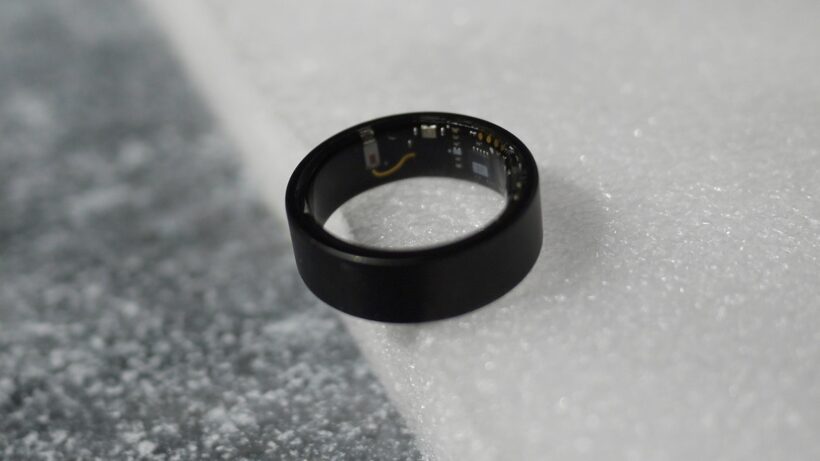
RingConn’s latest ring torches the Ultrahuman Ring Air in terms of design and style. It’s much thinner, measuring just 2mm to Ultrahuman’s 2.4mm, and the square-ish design of the ring makes it feel like a premium product.
The introduction of the cheaper, stainless steel RingConn Gen 2 Air (which weighs marginally more than the titanium Gen 2) doesn’t detract from this design superiority, as it maintains the same class-leading 2mm thickness.
The difference in weight isn’t perceptible, given both rings weigh between 2-3g (depending on size), but we prefer Gen 2 due to the added finesse. It’s not quite as susceptible to scratches (though we have only tested the notoriously scratchable matte black finishes of both rings), and is as close as any smart ring on the market to the feeling of a ‘normal’ ring.
We should also note the similar size offerings of this pair. Ultrahuman slightly edges RingConn, with sizes for the Ring Air ranging from 5-14, though the latter still offers a decent amount of choice with its 6-14 options.
Neither does half sizes, though, so be sure to use each testing kit before locking in your choice; smart rings all have quite a unique feel due to the inner edge’s sensor contours and raised bumps.
- Winner: RingConn Gen 2
Health, sleep, and stress tracking
We think you get a good experience in this area no matter which smart ring you pick, though we do think the presentation from Ultrahuman pips RingConn – and it also boasts a few more neat features.
RingConn is an almighty tracker if you prefer lots of raw data. There are virtually countless graphs for you to sift through and try to gain insights, on things like morning stress, nighttime breathing rates, HRV, skin temperature, and sleep stages. Almost all of what we’ve tracked aligns with baselines from Oura, Whoop, Apple, and Google, too.
Yet, the graph-heavy approach isn’t one we grade as effective for most people in the long term. We much prefer when key info from a breadth of metrics can be cross-examined to provide us with an insight that can potentially lead to some behavioral change – or confirmation of our current patterns.
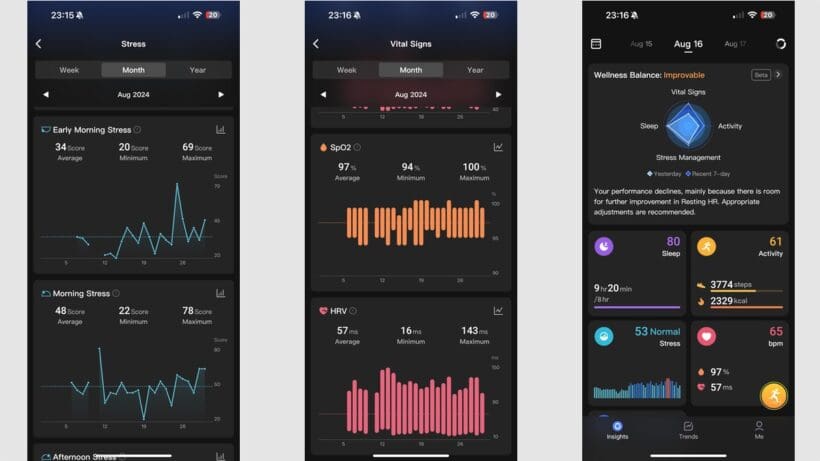
There’s not a lot of that going on with RingConn, only currently done through the ‘Wellness Balance’ feature, which is hurt by the activity insights and tracking (more on this below).
Ultrahuman’s app has a slicker feel
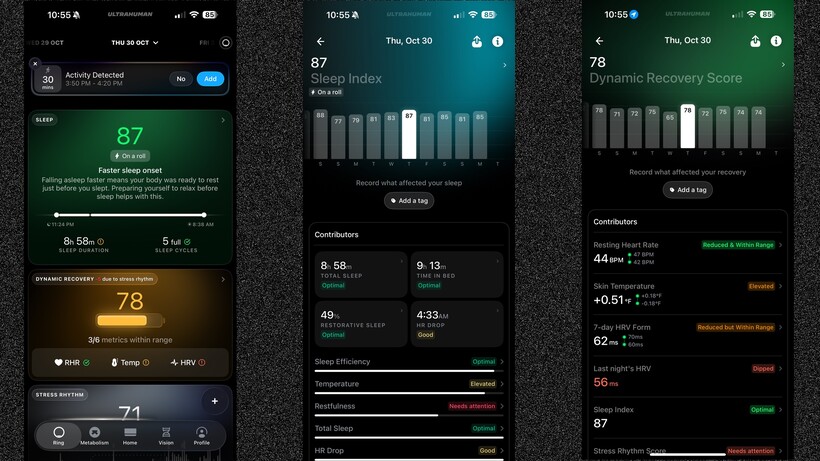
Ultrahuman’s presentation was always better than RingConn’s, for our money—and it’s made strides to refine it further in the last year. It’s now much closer to Oura in this aspect.
All in, it’s a friendlier app to navigate and get a sense of what’s being tracked than before. It boasts similar insights into heart rate, sleep, SpO2, and stress, and, like with RingConn, much of this data stacks up.
Yet it’s more personalized and insightful than its rival—and some previously missing metrics (such as respiratory rate) are now available via PowerPlug. You’ll also receive advice on caffeine intake based on your sleep-wake times, along with leading insights into your circadian rhythm (with neat integration with the Dynamic Island, if you’re on iOS) and recovery.
It will also offer metabolic health insights if paired with an Ultrahuman M1 CGM solution, while the Ultrahuman Home is an increasingly powerful ambient monitor that can flesh out sleep tracking from the ring. That same hefty ecosystem isn’t available from other smart ring players— except perhaps Samsung, whose Galaxy Ring plays nicely with the Galaxy Watch.
Ultrahuman is slightly more advanced in women’s health features, as well. Both can offer menstrual cycle insights via skin temperature, but Ultrahuman’s PowerPlugs (apps that users can add to the experience separately) does feature an option for a pregnancy mode.
There are also add-ons for jet lag, atrial fibrillation detection, weight loss, and even vitamin D intake, so there’s a lot more to the health tracking experience here.
- Winner: Ultrahuman Ring Air
Activity tracking
Neither of these are trackers we recommend for anything other than basic tracking: steps, calorie burn estimates, stand hours, and other suchlike. Accuracy here is passable enough for you to get a general gist of your movement levels, but don’t expect anything more advanced.
Part of the issue here is the integrations. Ultrahuman can pull in supplementary data from Apple Health, Garmin, Polar, and others, but we’ve found that it’s pretty inconsistent at doing so, or capable of fudging the figures.
RingConn has even fewer partners to join up with, only allowing data in from Apple Health and Google Fit. So, unlike a platform like Oura or Samsung, it’s not as easy to supplement the solid health and wellness experience with data from a tracker more suited to the job.
The other major issue here is that workout tracking is pretty barebones. RingConn’s Gen 2 is better in this area, at least offering dedicated modes for indoor/outdoor running, outdoor cycling, and outdoor walking, but this segment of the experience is still very much in beta. Heart rate data, for example, was okay in our testing, but nothing you should be relying on.
Ultrahuman added support for automatic workout detection earlier this year, and you can access VO2 max estimates from sleep data via a PowerPlug, but, again, it’s not a workout tracker we recommend for accuracy.
- Winner: Draw
Battery life
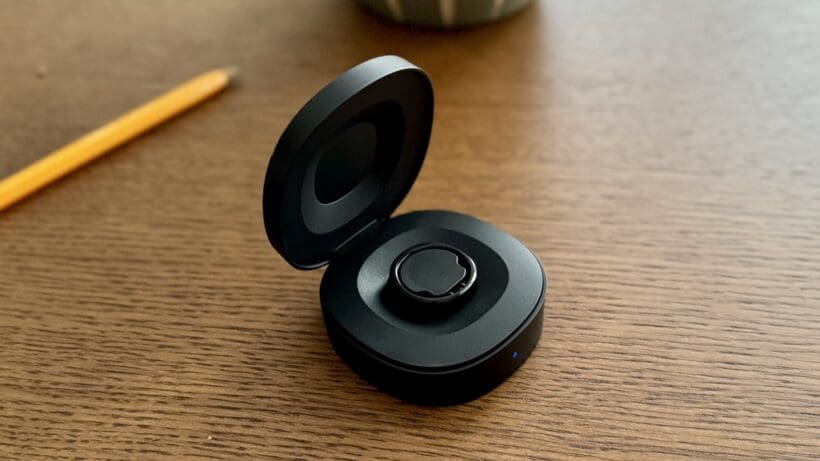
This is another area in which RingConn massacres the competition – including Ultrahuman.
The Gen 2 ring is as long-lasting as any smart ring we’ve tested (which is pretty incredible, given how it’s also the thinnest and lightest), with our size 12 ring enduring 10-11 days when the sleep apnea feature is disabled.
When it does need a top-up, it can also be popped into a charging case, which is powerful enough to provide a further 15 full recharges. So, you’ll be doing extremely well if you ever run out of power with the Gen 2.
Ultrahuman’s Ring Air is still a multi-day smart ring, but its numbers aren’t quite as impressive. In testing, we found most charge cycles would last 4-5 days, a little under the week quoted by the brand. Unlike RingConn, it also doesn’t come with a charging case – and can take 2-3 hours to go from flat to full on the included charging puck.
- Winner: RingConn Gen 2
Verdict: Which is best for you?
With the Ultrahuman Ring Air unavailable in the US, this choice now depends entirely on your location. With that in mind, here are our recommendations for late 2025:
Choice for US buyers: RingConn Gen 2
RingConn settled its patent dispute with Oura via a licensing agreement and is free to sell and import its smart ring. However, as of December 2025, the Ultrahuman Ring Air is still subject to an ITC import ban, making it a risky purchase for long-term support and future availability.
So, if you want a thin, comfortable, long-lasting smart ring that’s available freely and fully supported in the US market, the RingConn Gen 2 is the best (and only realistic pick). Also consider the $199 Gen 2 Air for a cheaper entry point.
Choice for international buyers
With both of these smart rings available outside of the US, the choice is less straightforward.
If you’d prefer a smart ring experience focused on smart coaching and actionable insights into your circadian rhythm, recovery, and caffeine intake, the Ultrahuman Ring Air is the better pick. Its ‘PowerPlugs’ offer more unique health features (like pregnancy mode and AFib detection), and the ring itself is still long-lasting and comfortable enough for 24/7 wear.
However, if you want the most comfortable, thinnest smart ring on the market—and industry-leading battery life—the RingConn Gen 2 is a better fit. The app experience is nowhere near as polished as Ultrahuman offers, and that makes it harder to actually gain meaningful insights without trawling through graphs and screens, but you do still get plenty of accurate tracking data.