
RingConn agrees to pay royalties following US import ban, while rival Ultrahuman continues legal fight
Oura has announced new multi-year patent licensing agreements with smart ring rival RingConn and wearables maker Omate—a major development in the ongoing intellectual property disputes.
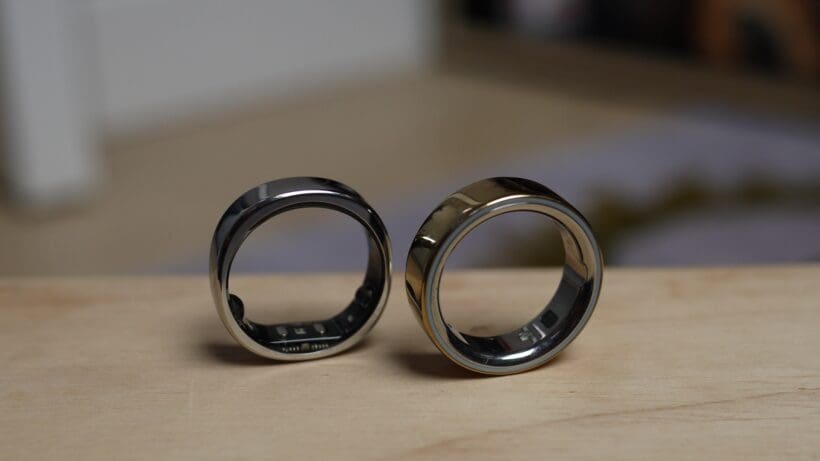
Most notably, the deal resolves all outstanding patent litigation between Oura and RingConn in the United States. The settlement means the latter can now continue selling its smart rings in the US, effectively resolving the import ban imposed by the US International Trade Commission (ITC) earlier this year, in exchange for making ongoing royalty payments to Oura.
The specific terms remain confidential. However, this follows a similar licensing agreement Oura reached with French smart ring maker Circular last year. Oura also confirmed a separate agreement with Omate, proactively providing the company access to parts of its patent portfolio for future smart ring development.
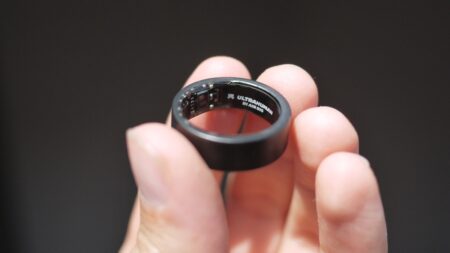
Notably absent from these agreements is Ultrahuman, Oura’s other major competitor to be slapped with the US import ban.
The Indian brand remains locked in a legal battle with Oura—and has publicly challenged the validity of the core patent involved (US 11,868,178).
In a blog post in May, Ultrahuman argued that the patent, which Oura acquired in 2023, covers a combination of generic, pre-existing components and pointed to ongoing reviews challenging its validity at the US Patent Trial and Appeal Board.
The Wareable take
This is another significant win for Oura, demonstrating its ability to leverage its patent portfolio alongside its market-leading sales and recent $900 million funding round.
RingConn’s decision to pay royalties suggests Oura’s legal position is strong—or, at the very least, that the Chinese company viewed settling as a more viable decision than continuing a costly fight (especially given the recently upheld ITC ruling).
Again, this leaves Ultrahuman as the primary holdout. Its ongoing legal battle now becomes even more critical to watch.
Though new challengers are still emerging, such as the recently announced Reebok Smart Ring, and taking on established players like Samsung (with its Galaxy Ring) and Oura, it’s not hyperbole to suggest these developments will shape the legal precedent for the industry over the next half-decade and beyond.
For now, though, stay tuned for the next instalment.