
After seeing its previous complaint upheld, Oura moves to defend itself from more competitors
Smart ring leader Oura has filed a complaint with the US International Trade Commission (ITC) against several major rivals: Samsung, Reebok, Zepp Health, and Nexxbase.
The complaint alleges that these companies are involved in the “unlawful importation and sale of products that infringe on several of Oura’s patents.”
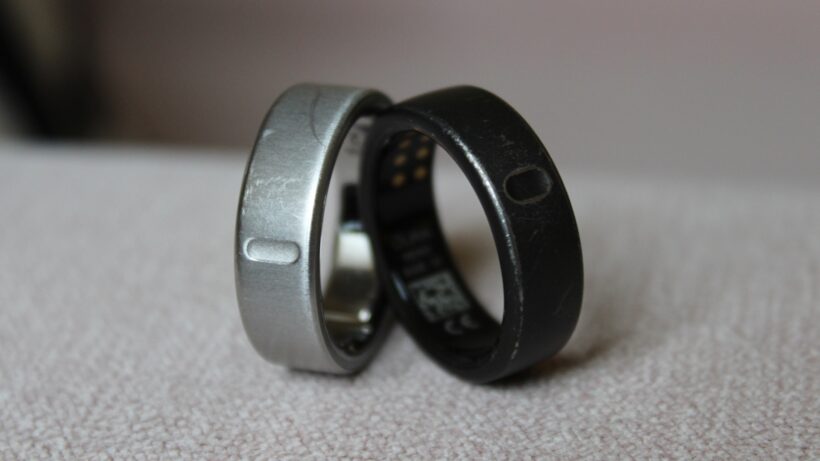
Oura specifies that the patents relate to the Oura Ring’s form factor, including internal and external components, as well as the manufacturing methods used to produce the device.
The latest instalment in the smart ring wars
It’s an action that escalates the ongoing legal conflicts shaping the smart ring market’s present and future.
Oura has been aggressively defending its IP since the category began to take off a couple of years ago, previously settling disputes with competitors like RingConn and Circular.
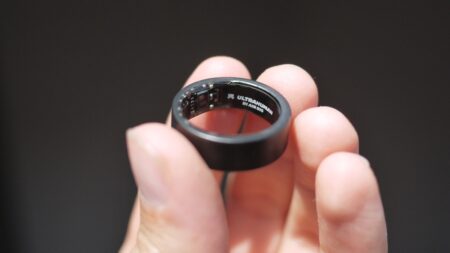
As we’ve already seen with Oura’s dealings with Ultrahuman, whose Ring Air is currently unavailable in the US due to an ITC import ban, this latest move could seriously disrupt the market.
If Oura receives a favorable outcome of this fresh complaint, the Samsung Galaxy Ring, Reebok Smart Ring, Amazfit Helio Ring, and Luna Ring 2 could all face the same fate.
The Wareable take
This latest move comes as no surprise for a market that has become increasingly litigious in 2025. And, ultimately, as long as Oura holds patents that are foundational to smart ring design and functionality, it’s well within its rights to defend itself against competitors.
It also isn’t the first time we’ve seen the industry’s two biggest names—Oura and Samsung—face off in a legal showdown, either. Samsung attempted to sue Oura in 2024, though the case was dismissed earlier this year.
This ITC complaint, though, poses a much more immediate threat—especially on the back of Oura’s success against RingConn and Ultrahuman in May. If, as in that case, an import ban is imposed, it would effectively position Oura as the industry-wide IP tollbooth for any company wishing to enter the smart ring space.
Yet whether this practice can realistically continue—and what its long-term effects on innovation and uptake in the smart ring space are—we’ve already begun to wonder.