

A brilliant contender, but not without flaws
The Suunto Race 2 is a fantastic hardware upgrade, solidifying the brand's impressive comeback in recent years. The larger AMOLED display is stunning, the battery life is outstanding, and the GPS performance remains absolutely top-tier. However, familiar weaknesses persist, with an unreliable optical heart rate sensor and very basic smartwatch features holding it back. It’s a powerful and beautiful sports watch for those who prioritize battery and screen, but it’s not quite the complete package needed to dethrone the best all-rounders.
Pros
- A bigger display and a slimmer case
- Good overall GPS and sports tracking
- Smoother software than original Race
Cons
- Heart rate tracking during exercise still shaky
- Weak presentation of data
- Higher price than its predecessor
Suunto is a brand on the comeback trail. After years in the wilderness, the Finnish company found its footing again with the excellent Suunto Vertical back in 2023. Later that year, it also made a confident leap into the AMOLED era with the impressive Race.
The message was clear: Suunto was ready to compete with the best from Garmin and Polar again.
The Suunto Race 2 is the next crucial step in that resurgence. The formula is one of ambitious evolution: take what worked so well in the original—namely the great price and superb GPS—and enhance it with a larger, brighter display, even more battery life, a faster processor, and new software smarts like Climb Guidance.
But this impressive hardware upgrade comes with a higher price tag, placing it in a market now saturated with brilliant AMOLED sports watches. This creates a complex picture. The Race 2 is a watch featuring some truly class-leading hardware that still struggles with familiar software weaknesses.
We’ve been putting it to the test to unpack that relationship, and to explore exactly where the Race 2 excels—and where it still falls short of greatness.
Price and competition
The Suunto Race 2 is priced at $499 for the stainless steel version and $599 for the lighter titanium version. This marks a price increase compared to the previous edition (which cost $449 for the stainless steel version and $549 for the titanium) of around $50.
Compared to other AMOLED sports watches, the Polar Vantage V3 costs $699, the Garmin Forerunner 970 is priced at $749.99, and the Coros Pace Pro is cheaper at $349.
While it’s now more expensive than the original Suunto Race and the Race S (starting from $349), it remains more affordable than other current-gen flagship AMOLED watches.
Design and display
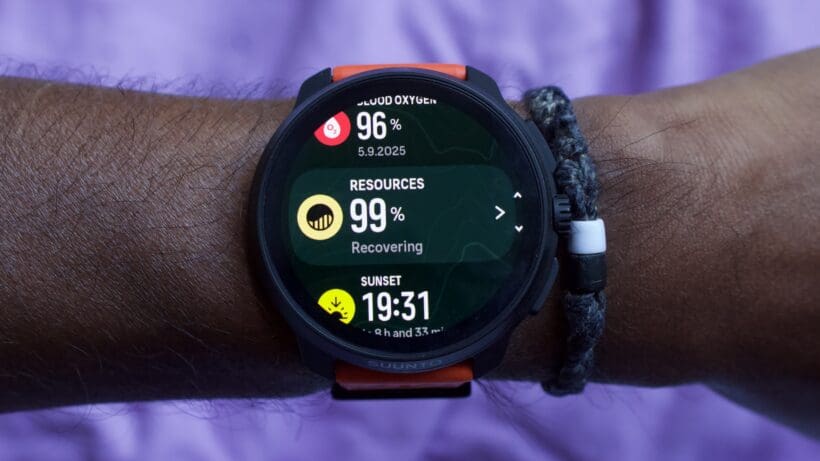
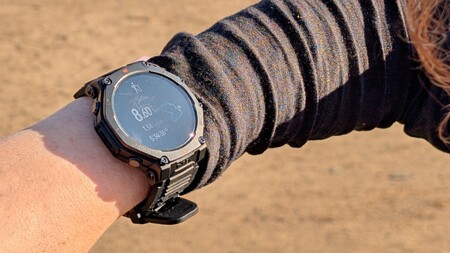
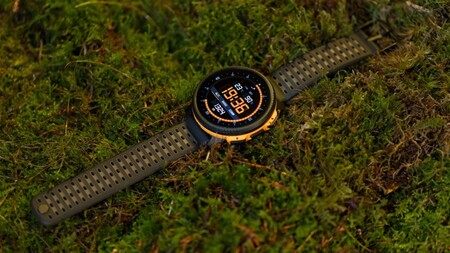
At first glance, the Suunto Race 2 doesn’t appear significantly different from the original. It features a 49mm case made of glass fiber-reinforced polyamide, a removable silicone strap, and three physical buttons located along the side of the case.
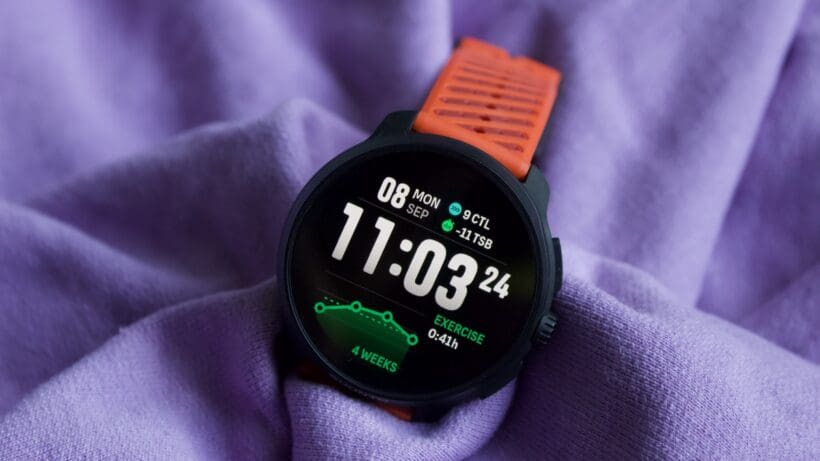
However, there are some updates. It’s now thinner, decreasing from 13.3mm to a sleeker 12.5mm profile to make the larger case size easier to handle and less bulky. More notably, there’s a bigger 1.5-inch LTPO AMOLED display, which still offers the same 466 x 466 resolution as the 1.43-inch display on the Race.
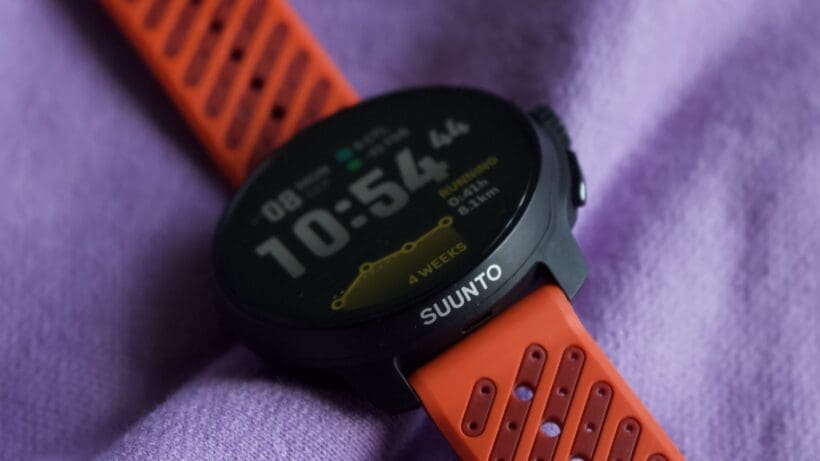
Sapphire glass continues to protect these displays from scratches. As a result, although there’s still a black bezel, features like watch faces, data fields, and menu screens fill the watch case a bit better.
Suunto offers its flagship watch with either a stainless steel or a titanium bezel. The titanium option increases the price but reduces weight by about 10g compared to the stainless steel version.
The stainless steel model we tested has a similar weight to a stainless steel Garmin Fenix 8. It feels a bit hefty, but you get used to it.
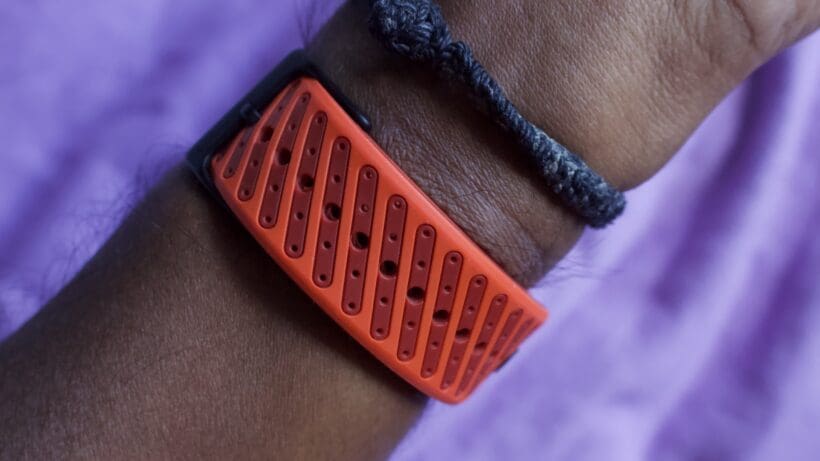
The optical sensor is located at the back and has been upgraded (more details later). Additionally, the proprietary charging cable now connects to a case back designed for more reliable clipping during charging.
Nothing has changed regarding waterproofing here. It remains suitable for showering and swimming up to 100 meters depth, and it is equipped for both pool and open water swims.
Smartwatch features
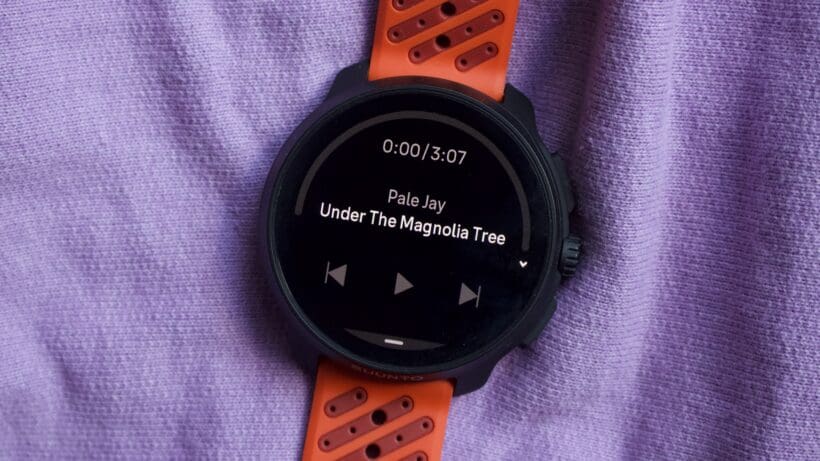
If you expect Race 2 to deliver smartwatch features on par with an Apple Watch, Google Pixel Watch, or Garmin, you’ll probably find yourself disappointed. In reality, not much has changed in that regard.
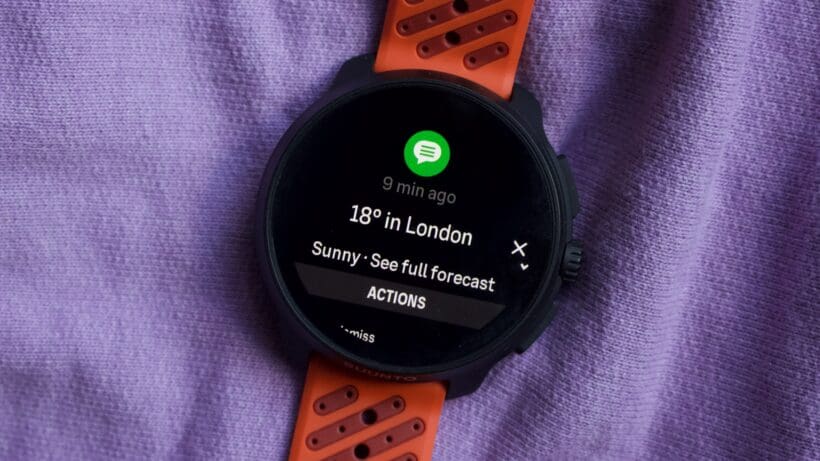
If you’re content with viewing phone notifications, controlling music, and perhaps checking the weather, you’re well equipped. Android users can send predefined replies to certain messages for more advanced notification features. However, this setup doesn’t include features like a music player, payments, smart assistants, or cellular connectivity.
There is a storefront where you can download additional watch faces and apps that offer stronger integration with other compatible third-party accessories, such as cycling sensors or hydration monitors. Its feel is closest to Garmin’s Connect IQ Store. But, like with that, you’ve got to hunt for the good stuff.
The overall increased smoothness when interacting with the watch stands out compared to earlier Race models. Suunto has enhanced the processing speed, and it’s noticeable. Swiping, tapping, and launching features simply operate in a much sleeker way than the first Race.
We remain unconvinced about some UI elements in Suunto’s software, particularly how the screens and menus interact. However, the improved processing performance makes these quirks less noticeable.
Battery life
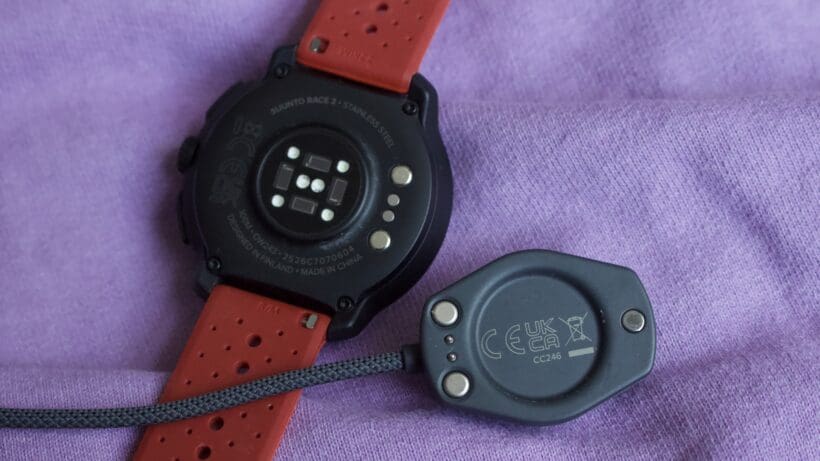
Suunto has enhanced battery life performance, which was already excellent for AMOLED sports watches like the Race and Race S. In daily use, mainly using its smartwatch features without extensive tracking, the battery life has increased from 16 days to 18 days.
Using the best GPS accuracy mode, the battery life has increased to 55 hours from 50 hours. Keeping the screen on at all times during tracking in that mode reduces it back to 50 hours. Even the power-saving training mode jumps to 200 hours from 120 hours. Basically, this is a watch that’s going to last you a long time.
And that’s exactly what we found. If you’re using the best GPS accuracy settings and keeping the screen on constantly, the Race 2 will still last a week, but it’ll be more strained to make it. Skip the always-on display mode and switch to a less power-intensive GPS mode, and it will last a week while tracking.
The Suunto stands out here with a smaller battery drop in the top GPS accuracy mode compared to rival watches.
Sports tracking performance
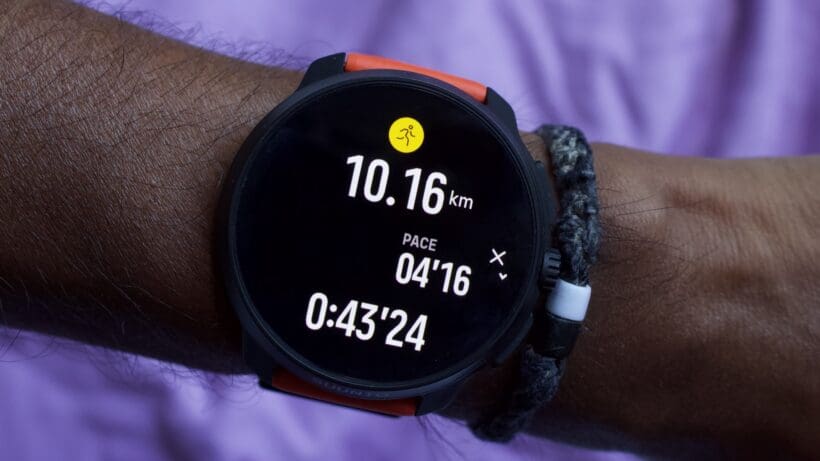
There isn’t much that has changed in how the Suunto Race 2 tracks and what it can monitor, with its main focus still on tracking running, cycling, swimming, and multisport events like triathlons. There are also over 90 other sports profiles available, with the option to add more through the SuuntoPlus store.
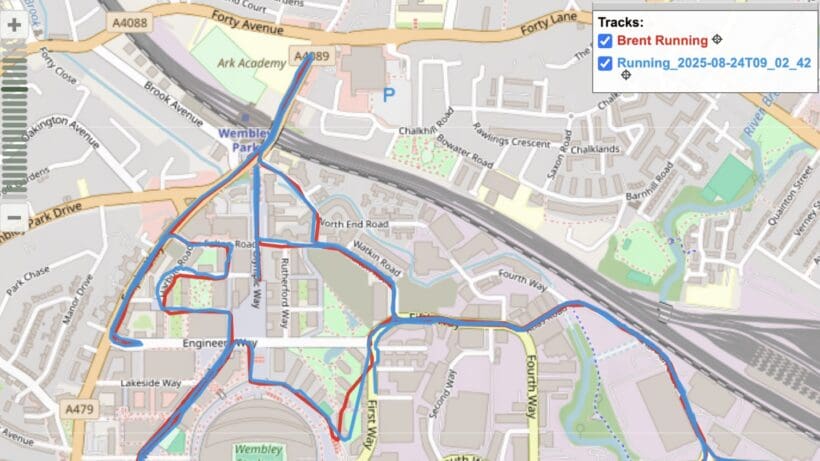
This watch still offers a high-quality dual-frequency mode, now standard in smartwatches and sports watches.
This feature enables more precise positioning in difficult environments by utilizing the latest technology. As demonstrated by the Vertical, Race, and Race S models, the GPS performance is outstanding, and it again performed well in our tests of the Race 2 (compared to the similarly excellent Garmin Forerunner 970).
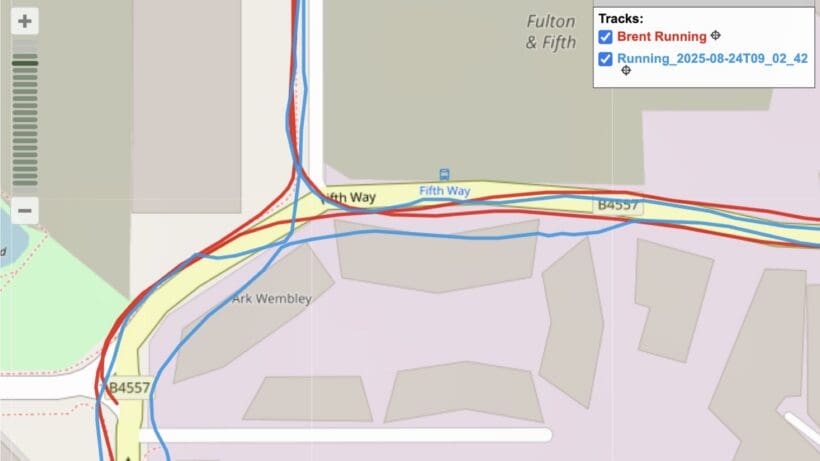
One area Suunto has aimed to improve is heart rate tracking. It wasn’t anything to write home about on either the Race or the Race S. Suunto has redesigned the case back, where the optical sensor is located, to improve the accuracy of readings.
However, in our tests against a chest strap, we still found it to be a bit unreliable.
During an all-out 10k race, the heart rate graphs showed that the sensor took some time to reach the same readings as the Garmin HRM 600 chest strap, and displayed a few drops during a fairly intense test of the sensor.
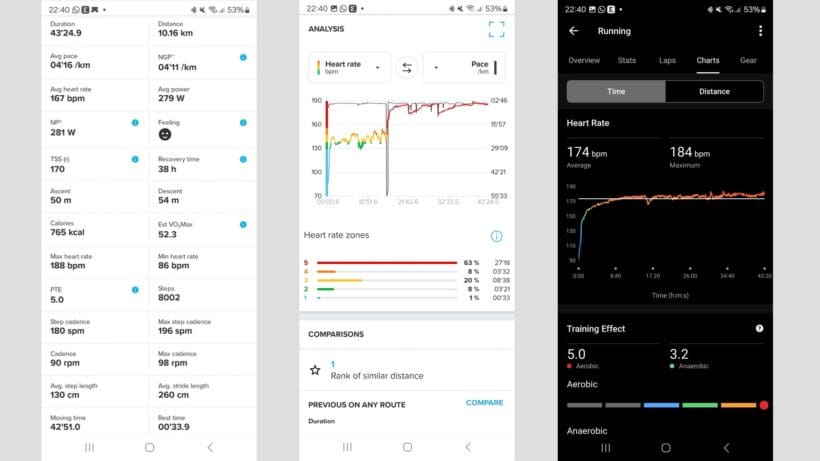
We’re not convinced that the improvements are significant enough for you to stop using an external heart rate monitor that can pair with the Race 2. But, aside from exercise, the daily heart rate and sleep data collected seemed fairly reliable overall.
Outdoor features
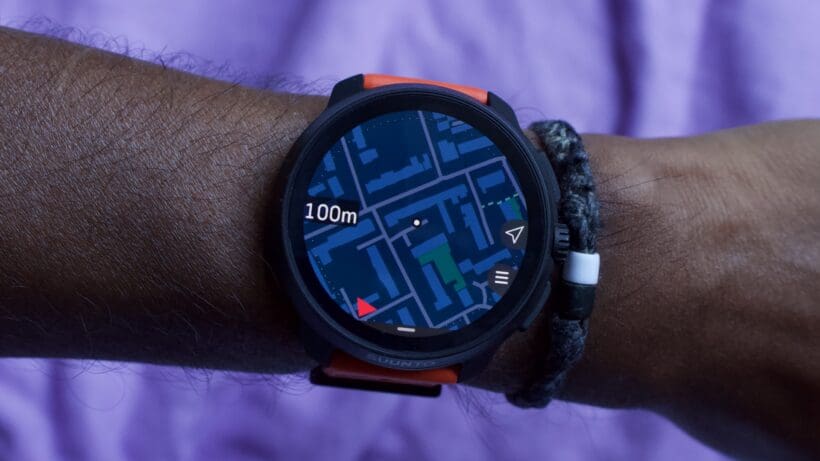
Like the original, the Race 2 comes with full color maps. First, you’ll need to transfer them to the watch using the Suunto app by placing your watch back on a connected charger.
You should do this by sections or regions, allowing you to focus only on mapping support for your current location, or take your charger with you on trips to sync maps. Just remember that you’ll need Wi-Fi to do this, and setting it up on a weak network (such as in a hotel, as we often do) might cause you some trouble.
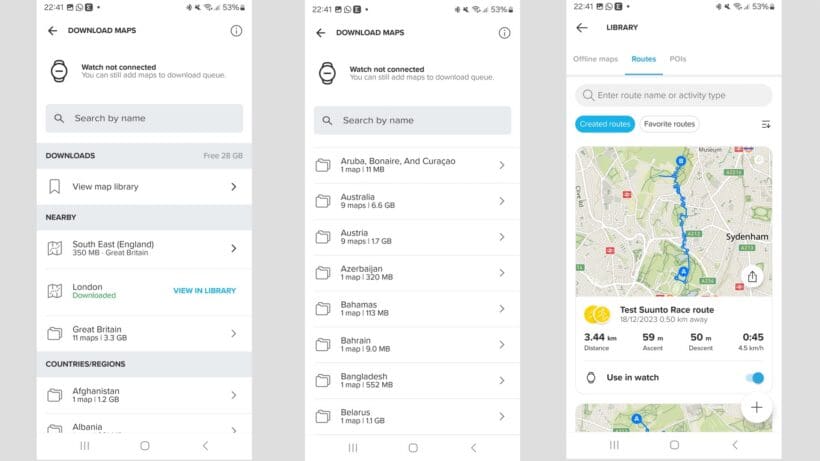
You can use a substantial portion of the available 32GB to store maps, which will take up between 50MB and 3GB of that space, depending on how much you decide to download. The mapping experience is quite similar to what we saw on the last generation, just now on a larger screen.
You can still upload routes through third-party apps and the Suunto app, which can also include turn-by-turn navigation. The new major feature is Suunto’s Climb Guidance.
If you plan to explore more hilly terrain and want to see climbs, uphills, downhills, and descents, you can load routes that highlight terrain changes with an easy-to-understand color-coded scheme. It’s like Suunto’s version of Garmin’s ClimbPro feature.
Training features and insights
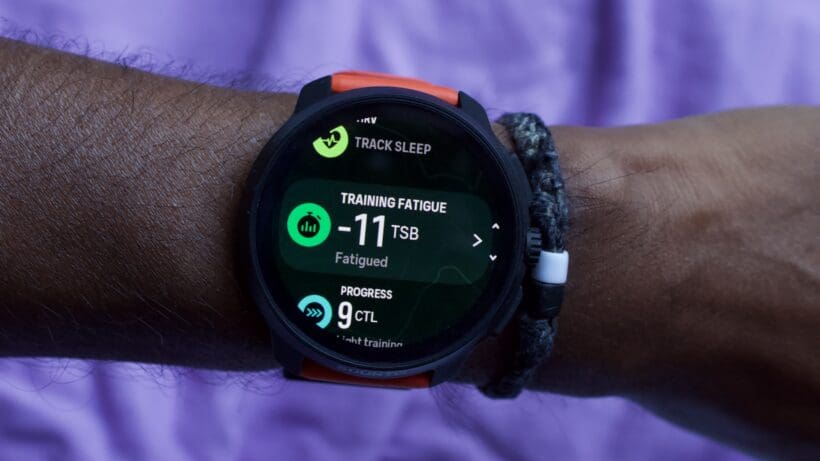
Suunto offers many of the same training data and features as other sports watches. However, we often find the presentation of these features lacking.
For instance, the Race 2 allows for interval training sessions, but it doesn’t feel as polished as Apple or Garmin’s approach. HRV monitoring still provides insights into stress and overall health, but Suunto could improve how these insights are communicated.
Currently, a daily average is displayed, but it lacks context. For someone new to this metric, the insight feels somewhat incomplete.
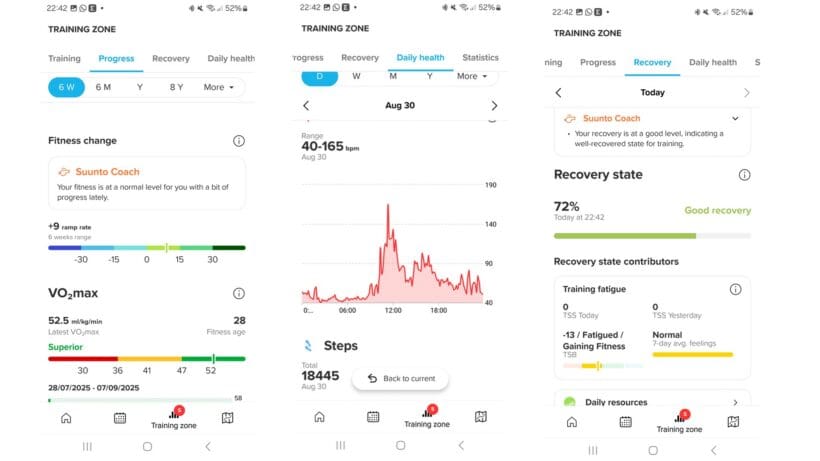
Head inside the Training section of the Suunto app, and you’ll find recovery data along with how the solid sleep tracking support affects that recovery. Daily health stats, such as heart rate and various scores, often use abbreviations that make the metrics and data difficult to understand and digest.
This is also a criticism you could level at Garmin and Polar, as well as Suunto. Garmin slightly outperforms other established sports watch brands by offering similar insights along with more glanceable options. Ultimately, this makes it a more appealing training partner.