
A software update offloads data processing to the iPhone to bypass the ban
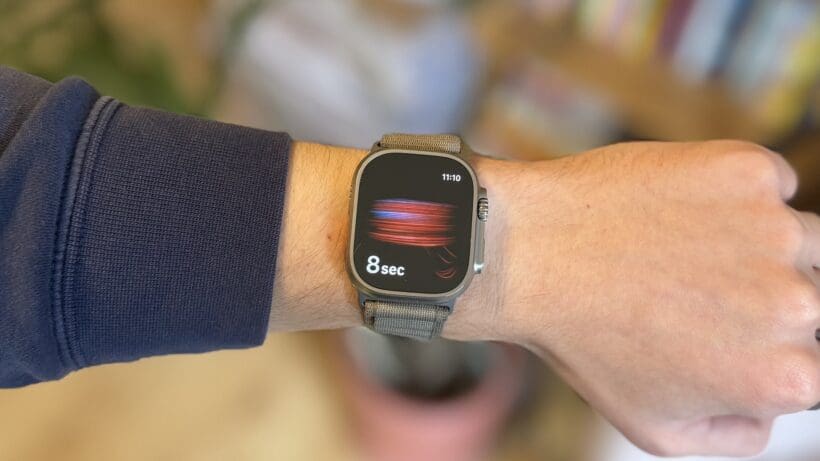
In a surprising reversal, Apple has announced it is re-enabling the blood oxygen monitoring feature on its latest Apple Watch models in the US.
It’s a move that marks the latest twist in the long-running saga over the health feature, which was banned (and subsequently disabled by Apple) due to a patent dispute with medical tech company Masimo. Now, the functionality is being restored via a software update rolling out today (14 August) for the Apple Watch Series 9, Apple Watch Series 10, and Apple Watch Ultra 2.
However, this is not a full return to the original functionality. Rather, it appears to be a clever technical workaround designed to bypass the ban.
While the watch’s built-in sensors will still capture the raw data required for a reading, all subsequent calculations and processing will now be handled by the paired iPhone.
The key difference for users is that the results will no longer be viewable on the watch itself; instead, they will be accessible in the ‘Respiratory’ section of the Health app on the iPhone.
This redesigned process has been given the green light by US Customs, allowing Apple to sell devices with the Blood Oxygen app enabled again.
Again, this update specifically targets US models of the Series 9, 10, and Ultra 2 that were sold after the ITC’s import ban took full effect on January 17, 2024.
To access the restored feature, users will need to update their devices to watchOS 11.6.1 and iOS 18.6.1. It’s important to note that any watches sold before the ban, or any models sold outside of the US, are not affected and retain their original on-wrist functionality.
The Wareable take
It’s a pragmatic and very timely move from Apple. While the company’s appeal against the ITC ban continues in court, this workaround restores a key health feature for its US customers and, crucially, clears the deck for its next product refresh.
With the Apple Watch Series 11 and Ultra 3 expected to be announced in just a few weeks, this update ensures Apple won’t be in the awkward position (again) of launching new-gen smartwatches with a standard modern health feature conspicuously disabled.
It plugs a significant hole in its feature set right before a major hardware refresh, even if the user experience isn’t quite as seamless as it once was.