
The cheapest way into Garmin's running watch ecosystem just got even more accessible
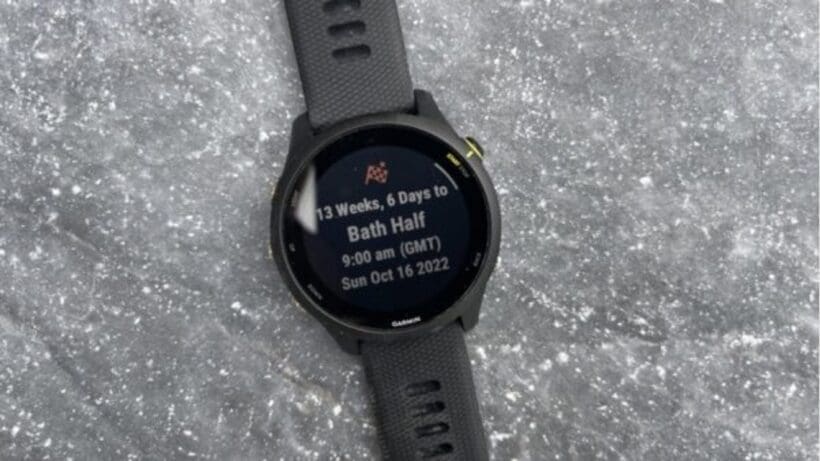
If you’re looking for the most affordable entry point into Garmin’s running watch series, a deal on Amazon has dropped the classic Forerunner 55 to a fantastic price of just $149.99.
That represents a 25% saving on its usual $199.99 list price, and, by a considerable margin, makes it the cheapest way to get a dedicated Garmin running watch on your wrist.
While we often recommend the more modern Forerunner 165 for those buying new, that watch typically costs $249. This deal opens up a huge $100 price gap, a deciding factor for anyone on a strict budget.
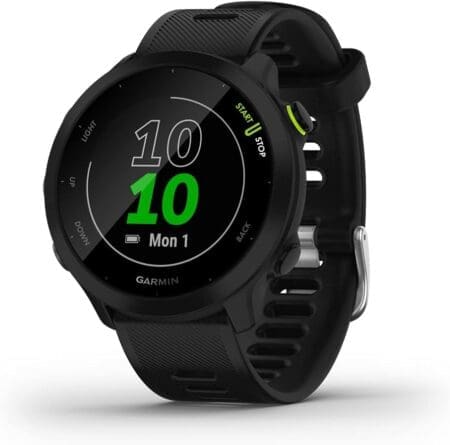
Despite its age, the Forerunner 55’s continued popularity, as evidenced by both Amazon sales charts and its prevalence on Strava, shows there’s still a huge demand for a simple, reliable, and affordable running watch from the brand—and this deal delivers exactly that.
Why the Forerunner 55 is still worth considering in 2025
In the fast-moving world of Garmin, a running watch released back in 2021 is relatively ancient. However, what made the Forerunner 55 such a great entry-level device when it first launched still holds true today, especially when you can get it for this price. It’s a small, lightweight, and comfortable watch that’s ideal for running, featuring an always-on transflective display that provides solid visibility even in bright sunlight.
Most importantly, it was the watch that brought previously premium software features down to an affordable price point for the first time. Even now, its feature set is impressive for a sub-$150 device. You get access to Garmin’s PacePro for creating sophisticated race strategies, Daily Suggested Workouts for structured training guidance, an improved recovery advisor, and full Garmin Connect IQ support for adding new apps and data fields.
Still, the core performance is what makes it a true Garmin. The GPS tracking was solid and reliable for logging your routes and distance in our testing, and the battery life is also a key strength. With up to 20 hours of GPS tracking and two weeks in its daily use mode, it comfortably outlasts any similarly priced smartwatch (and plenty of running watch competitors).
To hit this price point, there are, of course, compromises. The display is not a vibrant AMOLED, the older optical heart rate sensor can be less reliable during high-intensity intervals (though you can pair it with an external chest strap), and the general health and sleep tracking features are more basic than on newer models. However, for anyone who simply wants a dedicated and dependable running companion without any unnecessary frills, these are trade-offs well worth making for this bargain price.