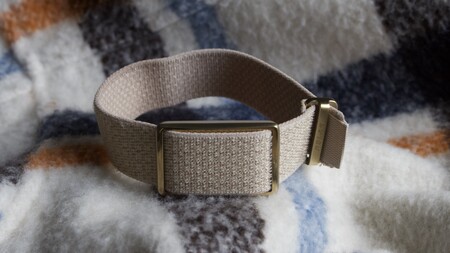

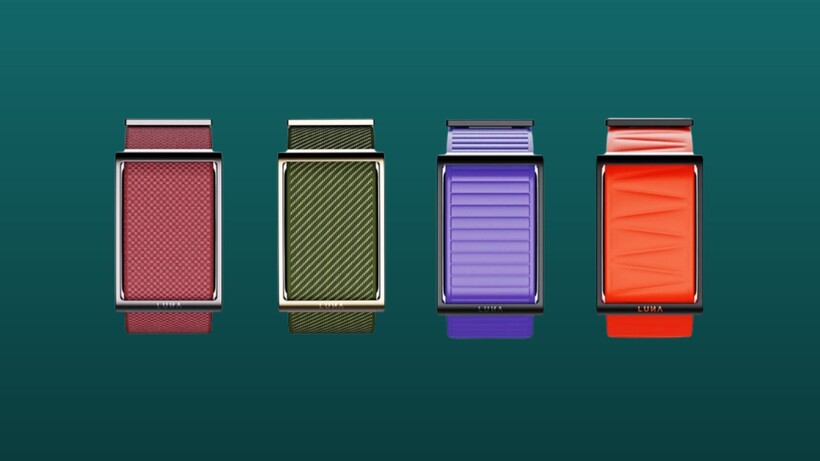
Luna has unveiled the Luna Band at CES 2026, offering a bold alternative to subscription‑heavy fitness trackers.
Why bold? Unlike rivals like Whoop, which lock advanced recovery insights behind monthly fees, Luna promises real‑time guidance without ongoing costs. That alone makes the Luna Band stand out in a crowded market of smartwatches and fitness bands.
Voice‑led coaching powered by AI
We’ve all had that moment, staring at a smartwatch screen, wondering what the coloured rings actually mean. Luna’s pitch is different. Powered by its adaptive LifeOS engine, the Band listens to what we say and nudges us toward smarter choices.
“I slept badly,” you mutter. It tones down your workout. “I’m stressed,” you admit. It suggests sunlight and recovery. It feels oddly conversational, almost cheeky, like a mate who knows when you’re pushing too hard.
Research‑grade sensors and ecosystem integration
With wearables like this, sensors matter.
Luna claims research‑grade optics and a six‑axis IMU that can pick up micro‑recovery blips, hormonal shifts, and circadian quirks most mainstream trackers miss. That’s ambitious. And then there’s the ecosystem play: Apple Health, Google Fit, Clue, Kindbody, all stitched together into one continuous health brain.
Subscriptions, or the lack of them, might be the killer feature here. Wellness tech has leaned heavily on monthly fees, and people are tired of paying extra just to unlock the data their own bodies generate. Luna’s promise of upfront intelligence and no hidden costs feels refreshing in comparison.
This makes the Luna Band the first wearable that could genuinely feel like a coach rather than a nagging spreadsheet. However, the proof is in the pudding, and there’s a lot riding on its accuracy, usability, and how well LifeOS adapts to messy human lives.
Still, the idea of a Health Operating System that doesn’t nickel‑and‑dime us is worth watching.