
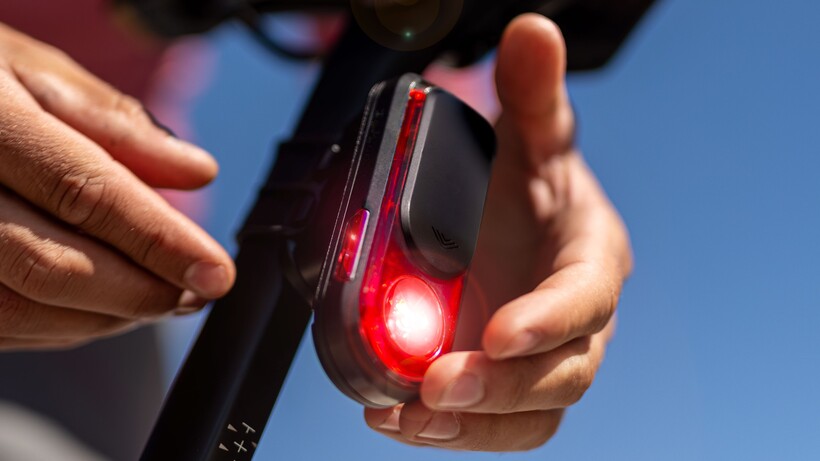
The new radar system detects vehicle size and threat levels, integrating directly with Garmin watches and cycling computers
Garmin has expanded its dominant Varia cycling safety lineup with the launch of the RearVue 820.
While previous Varia units focused primarily on proximity, the 820 introduces a more sophisticated radar array that can categorize approaching vehicles by size and assess their threat level based on speed and lane changes.
Retailing at $299.99/£259.99, the device tracks traffic from up to 175 meters away and provides real-time visual and audible alerts to the rider.
As ever with the Varia line, the 820 is built to be the eyes in the back of your head for the Garmin ecosystem. Beyond the obvious integration with Edge cycling computers, the device features enhanced compatibility with Garmin’s high-end watches (like the Fenix, Venu, and Forerunner series).
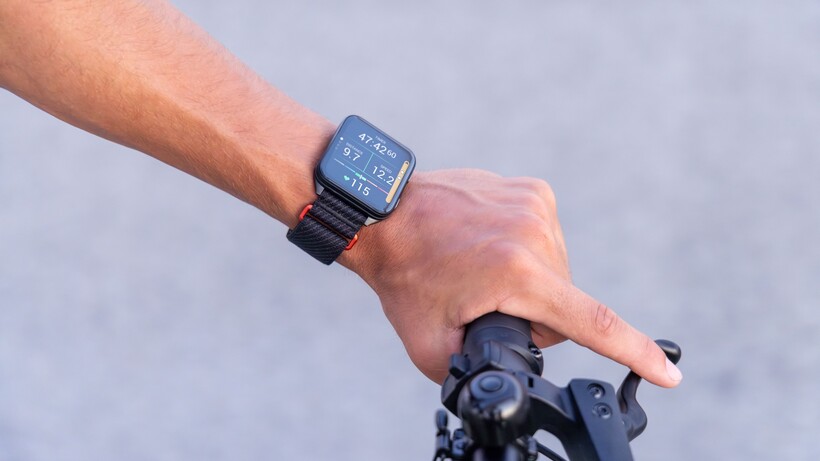
For riders who prefer no screen on their handlebars, the RearVue 820 can send haptic and visual alerts directly to the wrist, including voice prompts via the Public Beta program.
The hardware itself features Garmin’s brightest tail light to date (visible from 2km) and an intelligent brake light that triggers a high-intensity flash when the internal accelerometer detects rapid deceleration. There’s also a 30-hour battery life in radar-only mode.
The Wareable take: Ecosystem lock-in through safety
The RearVue 820 is a classic example of Garmin leveraging its ecosystem to maintain dominance.
By deeply integrating radar data into its wearables, Garmin makes it increasingly difficult for cyclists to switch to competitors such as Wahoo or Apple.
And the addition of vehicle categorization is more than just a gimmick; it provides crucial context. Knowing a semi-truck is approaching at high speed versus a slow-moving passenger car allows a rider to make better safety decisions.
We are also seeing Garmin lean more heavily on the watch as the primary hub. By enabling voice alerts and lane-tracking visuals on the wrist, it caters to the growing minimalist gravel and road segment that prefers a clean cockpit while still demanding the safety data of a connected sensor.